An Idea That Transforms the
Black World
The simple idea powering Project Lessons Learned (PLL) is communities around the world must first understand the systems shaping their lives before they can build and sustain stronger institutions and opportunities for future generations.
A New Educational Framework
Understand + Build + Sustain
PLL is a stewarded educational framework connecting learning, community development, and institutional capacity across Africa and the African diaspora. It helps communities move from understanding the systems shaping their lives → building practical solutions → sustaining them through strong institutions and shared prosperity–ultimately enabling all learners to:
Understand

Environmental Health
& Community Systems
Examine how environmental conditions, public policy, and history shape the health and development of their communities.
This process moves learners from consuming knowledge to producing knowledge—developing the critical thinking and systems awareness needed to understand and explain the realities shaping their lives.
Build
STEM/STEAM
& Practical Innovation
Develop scientific, technical, and creative skills to design solutions to real community challenges.
Applied learning in science, engineering, agriculture, and technology allows learners to move from consuming technology to producing technology that improves community life.
Sustain
Explore how communities organize, govern, and sustain the systems they create.
Civic leadership, cooperative economics, and institution building, guides learners from consuming wealth to producing and sharing wealth, helping communities generate long-term opportunity and prosperity.
Local-to-Global Education &
Infrastructure Development
Through collaborative work and research, PLL connects learning with real community development by linking local demonstration sites to global collaboration across the African world. Key elements of this approach include:
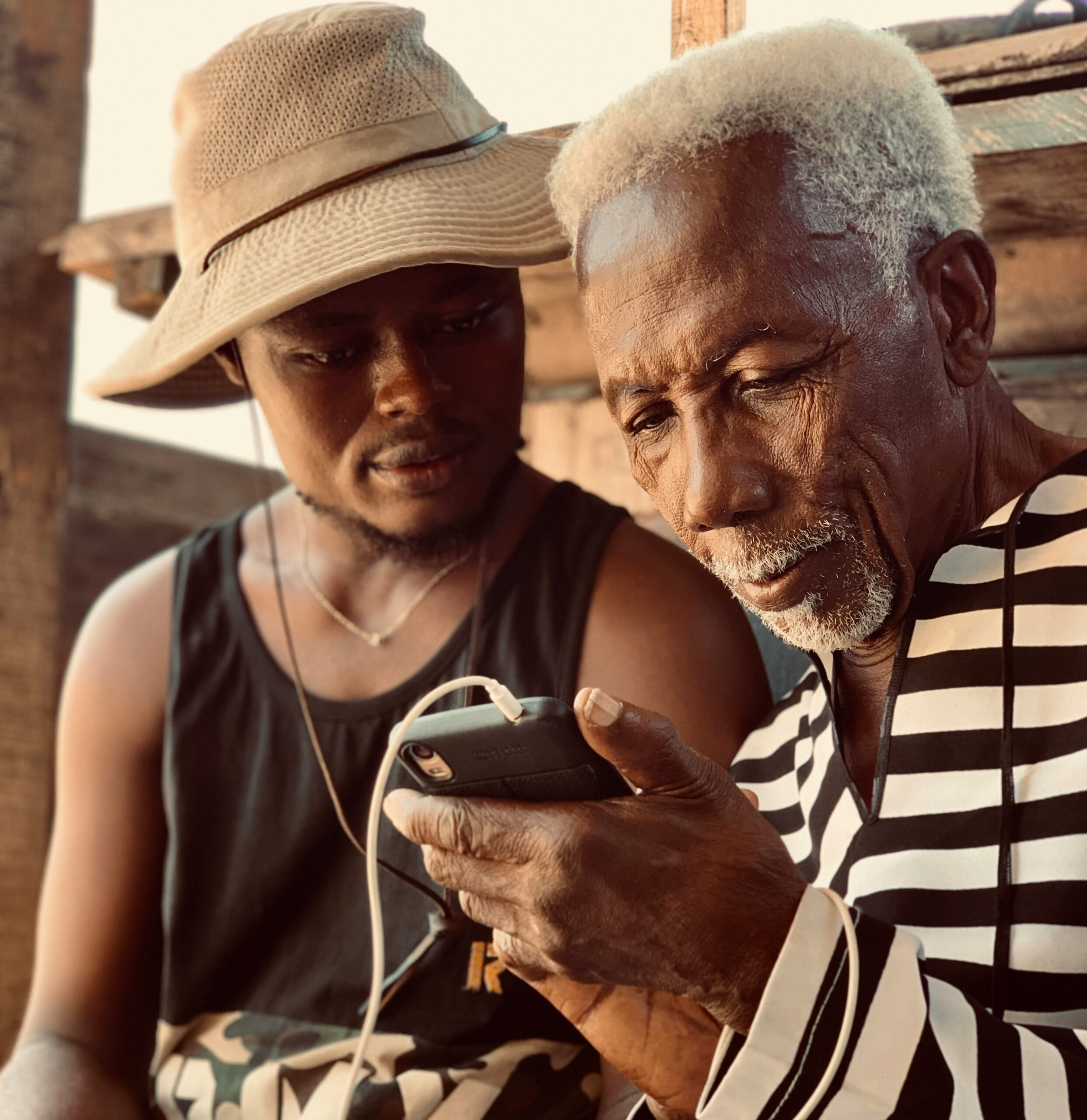
Community-Based
Learning Ecosystems
Schools, families, elders, and community institutions work together to support multigenerational learning and leadership.
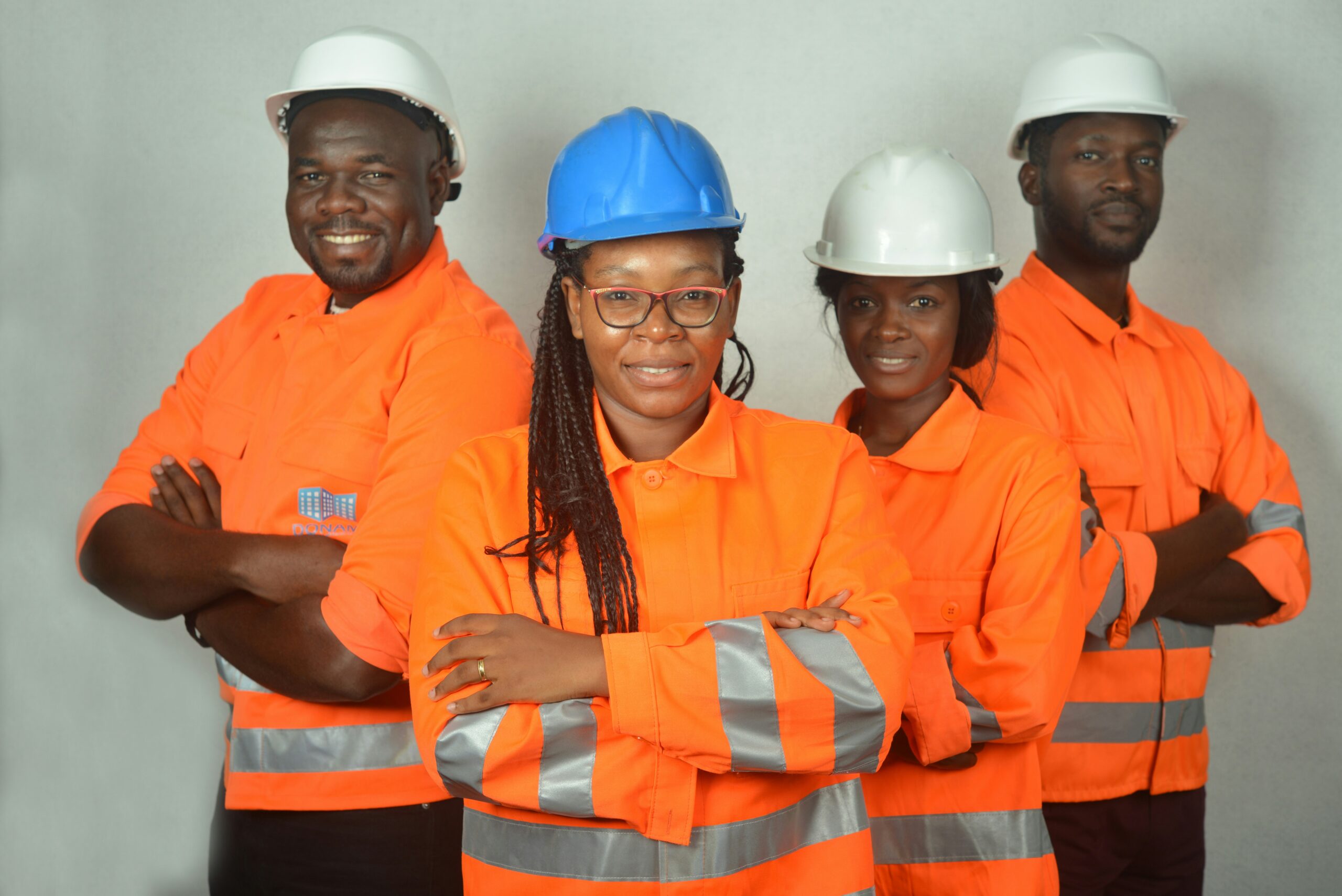
Education Linked to Real
Infrastructure Challenges
Students learn by engaging real issues such as environmental health, water systems, food systems, technology access, and neighborhood development.
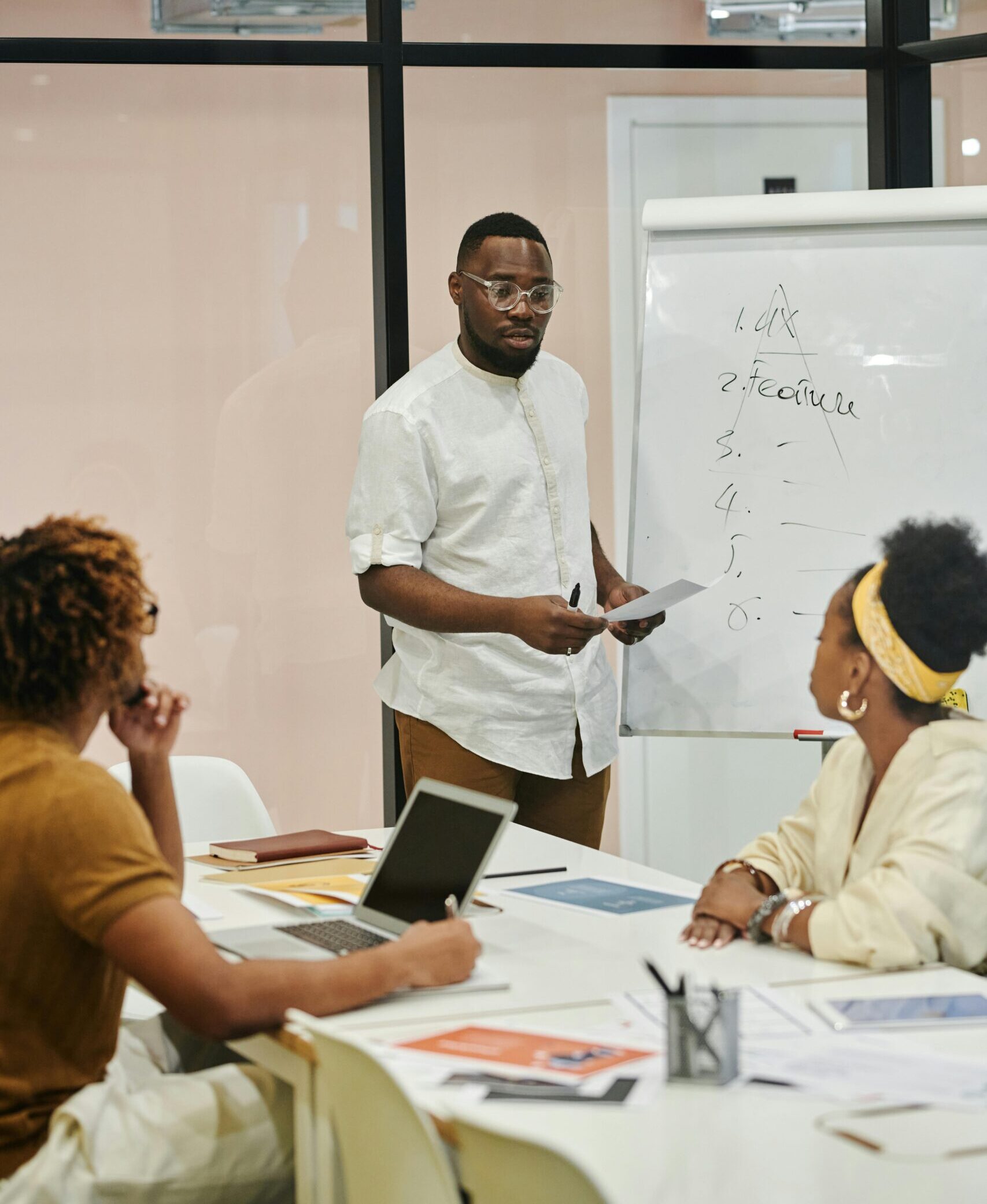
Local Demonstration
Centers
Community-based learning hubs where education, research, workforce pathways, and civic leadership are developed together.
Current Work:
Chicago ↔ Ghana Co-Anchors
PLL’s early development is anchored in a local-to-global learning partnership connecting Chicago communities with partners in Ghana
This work allows communities in both locations to learn from one another while developing practical models for education, leadership, and community development. The larger goal is to explore how locally grounded learning systems can strengthen communities across the African diaspora.
This foundation phase includes:
Our first active initiative, Project Restoration is a youth
education, identity, and leadership development program within the PLL learning framework.
Educators, researchers, and community leaders in Ghana are helping shape how PLL connects learning with environmental health, education, and community development priorities.
Supporting Black youth leadership by helping young people develop identity, civic responsibility, and the capacity to organize around issues affecting their communities.
Ongoing dialogue between educators, practitioners, and advisors in Chicago and Ghana helps refine the framework and prepare for future in-person collaboration.
Research & Institutional Partner
Law and Civics Reading and Writing Institute (LCRWI) is a community-led research and action institute advancing the development of the Project Lessons Learned (PLL) framework. Founded in Chicago, LCRWI works with educators, community leaders, and institutions to connect research, learning, and community development across local and global contexts. Through collaborative research, pilot programs, and institutional partnerships, LCRWI helps guide the practical implementation of PLL.
The 30-Year Arc
Research and community experience suggest that meaningful institutional change often requires one to two generations of sustained commitment. PLL is designed as a generational effort. Key milestones include:

2018
Chicago pilot
foundations established
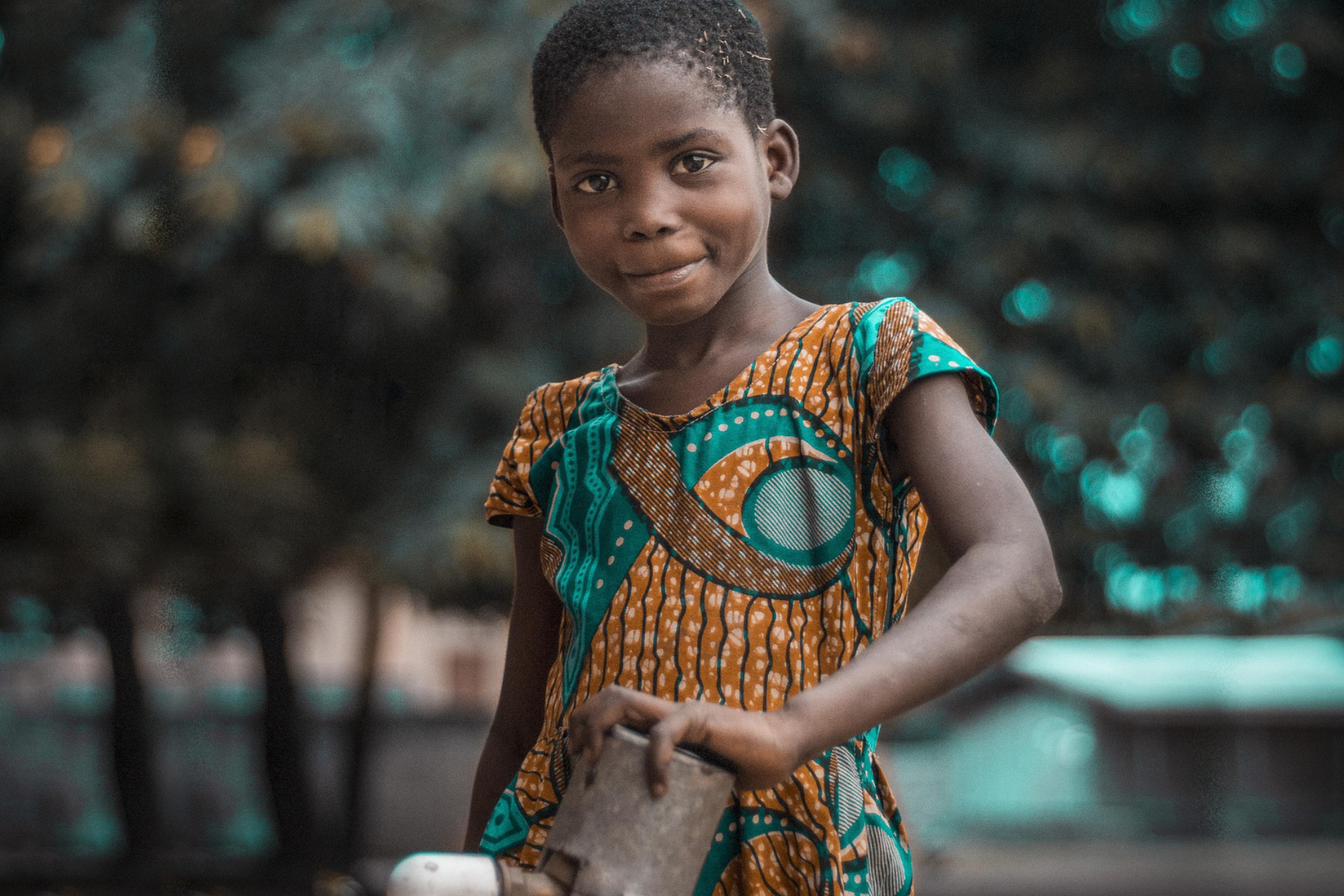
2024–2025
Expansion of youth leadership
work and Ghana engagements
2026
Publication of the PLL framework and continued partnership development
The long-term goal is to help communities build educational, civic, and economic systems capable of sustaining freedom, justice, and shared prosperity over time.
The Book
The PLL framework will soon be presented in a forthcoming book reflecting on lessons from the early pilot years and introducing the three essential curriculum strands guiding this work.
The book invites educators, families, and communities across the Black world to think together about systems, structures, and the long arc of community development.
The work explores:
Lessons learned from early community-based pilots
The three curriculum strands shaping the PLL framework
Opportunities for global dialogue on education and
community infrastructure

Community
Reinvestment
PLL operates with a commitment that knowledge, relationships, and resources generated through this work should strengthen the communities that participate in it.
Reinvestment priorities include:

Supporting youth leadership and educational opportunity
Strengthening community learning environments and
demonstration partnerships
Working Together
PLL collaborates with educators, researchers, community institutions, and global partners interested in thoughtful approaches to long-term systems change. Current areas of collaboration include:
Schools and youth-serving organizations

Research and
policy partners

Global advisors and
community leaders
During this foundation phase, collaborations are intentionally limited in number so that relationships and structures can be developed carefully.
Institutions interested in learning more about this work are welcome to inquire.